Recovery Assessment & Fatigue Mapping
Before you plunge into cold water, sign up for deep-tissue pressure, or jump back on the squat rack, it helps to understand what kind of fatigue your body is actually carrying.
We've all had those mornings where walking down a flight of stairs feels like a test of willpower, while on other days, heavy mileage barely registers. Athletic fatigue isn't one monolithic feeling—it is an intricate mix of muscular microtrauma, sympathetic system activation, connective tissue stiffness, and mental depletion. A structured recovery assessment takes the guesswork out of what your body requires next.
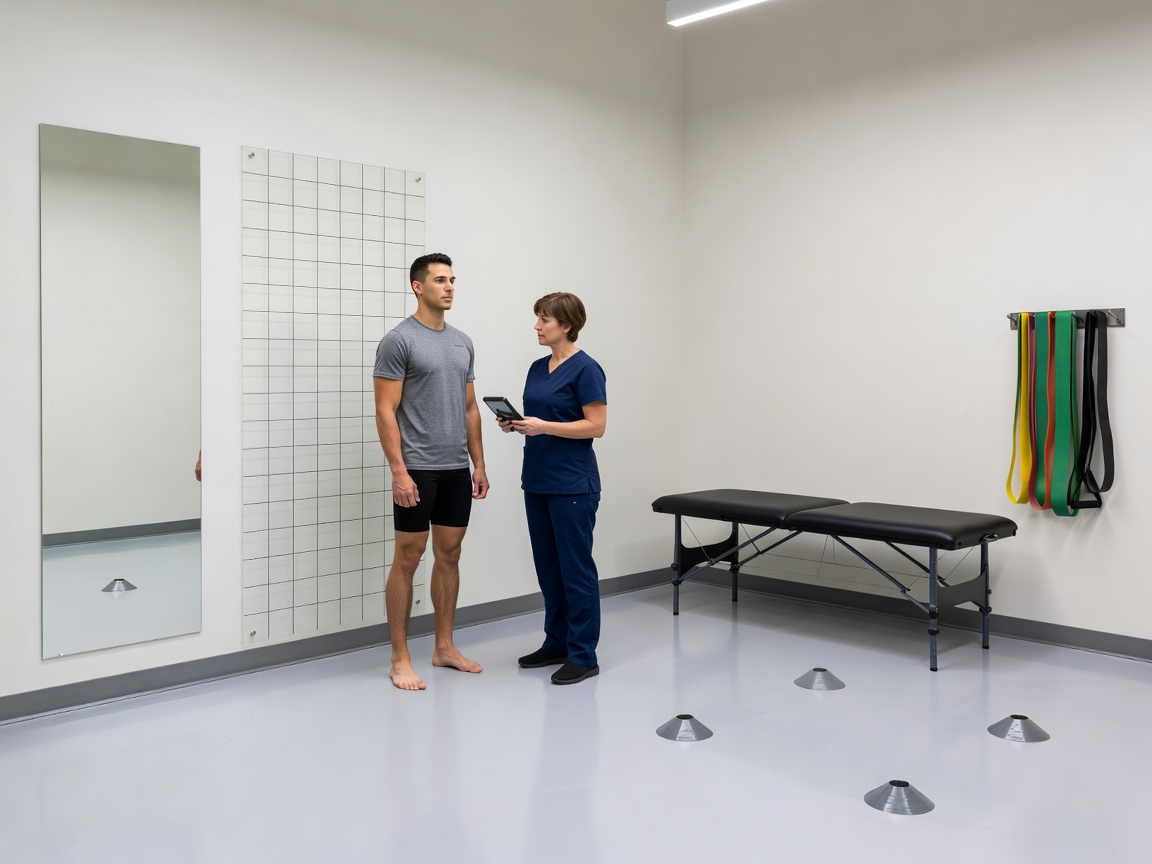
What a Recovery Assessment Involves
In our studio environment, an assessment is not an intimidating medical screening or an exhaustive battery of lab bloodwork. Rather, it is a calm, collaborative check-in between you and an experienced recovery practitioner. We look at three primary components:
- Post-Training Musculoskeletal Tone: We palpate major muscle groups to assess resting tension, guarding patterns, and tissue density that often follow eccentric-heavy workouts.
- Dynamic Joint Range & Asymmetry: Simple multi-plane movements (deep ankle dorsiflexion, thoracic rotation, hip internal and external rotation) to see if high training volume has closed down your movement corridors.
- Systemic Fatigue & Readiness Indicators: Reviewing recent training load spikes, perceived exertion curves, sleep quality, and general recovery habits to determine whether your body needs an active flush or deep nervous system downtime.
Who It May Suit
Recovery assessments are particularly beneficial for athletes undergoing shifts in training cycles:
- Endurance runners and cyclists: Preparing for or recovering from marathon blocks, gran fondos, or multi-day stage events.
- Strength and hybrid athletes: Experiencing progressive loss of range in the hips, shoulders, or thoracic spine under heavy barbells.
- Field and court sport competitors: Looking to address asymmetrical fatigue caused by dominant-side cutting, throwing, or deceleration forces.
- Committed amateurs: Juggling intense 5-to-6-day training regimens alongside busy career and family commitments.
How a Typical Session Works
A standard assessment takes approximately 30 to 45 minutes. We start with a ten-minute conversation covering your recent training diary, any focal tightness you've noticed, and what major athletic goals sit on your near horizon.
Next, we move through active movement screens on our testing floor. We observe how your ankles translate over your toes during a loaded squat, how your rib cage moves with deep breath cycles, and whether your hips move cleanly without lumbar compensation.
Finally, we synthesize these observations into an actionable recovery roadmap. You leave knowing whether today's session should focus on thermal down-regulation, gentle mobility flows, targeted sports massage, or simply walking and early sleep.
General Assessment Comparison
| Approach | Primary Focus | Typical Context | Next Step |
|---|---|---|---|
| Informal Self-Check | Subjective soreness & general mood | Daily morning self-evaluation | Adjust daily volume slightly |
| Studio Recovery Assessment | Joint mobility, muscle tone & load history | Weekly or post-event evaluation | Custom recovery modality schedule |
| Clinical Diagnostic Exam | Pathology, structural injury, tears | Suspected acute trauma or chronic pain | Medical imaging & physical rehabilitation |
Questions Athletes Commonly Ask
Do I need to be in peak training to benefit?
Not at all. In fact, many athletes schedule their initial assessment during transition or deload weeks. Understanding how your body resets when high volume is removed offers an ideal baseline for future training peaks.
How does this differ from physical therapy?
Our recovery assessments are designed for healthy athletes managing sports fatigue and normal adaptation curves. We do not diagnose pathological injuries, prescribe physical therapy exercises, or manage acute medical disorders. If an assessment reveals sharp joint pain, neurological symptoms, or acute damage, we promptly direct you to qualified medical specialists.