Cold & Heat Recovery Environments
Strategic temperature shifts can calm perceived soreness and encourage autonomic balance. We offer clean, temperature-controlled contrast environments paired with practical guidance.
Thermal therapy has exploded in athletic popularity over recent years, often accompanied by exaggerated social media claims. Let's be candid: sitting in ice water will not magically cure an overuse injury, and spending an hour in a sauna will not erase six days of poor nutrition.
When used intelligently and intentionally, however, contrast therapy is one of the most effective tools an athlete has to regulate their autonomic nervous system, encourage peripheral vascular circulation, and accelerate perceived recovery between demanding sessions.
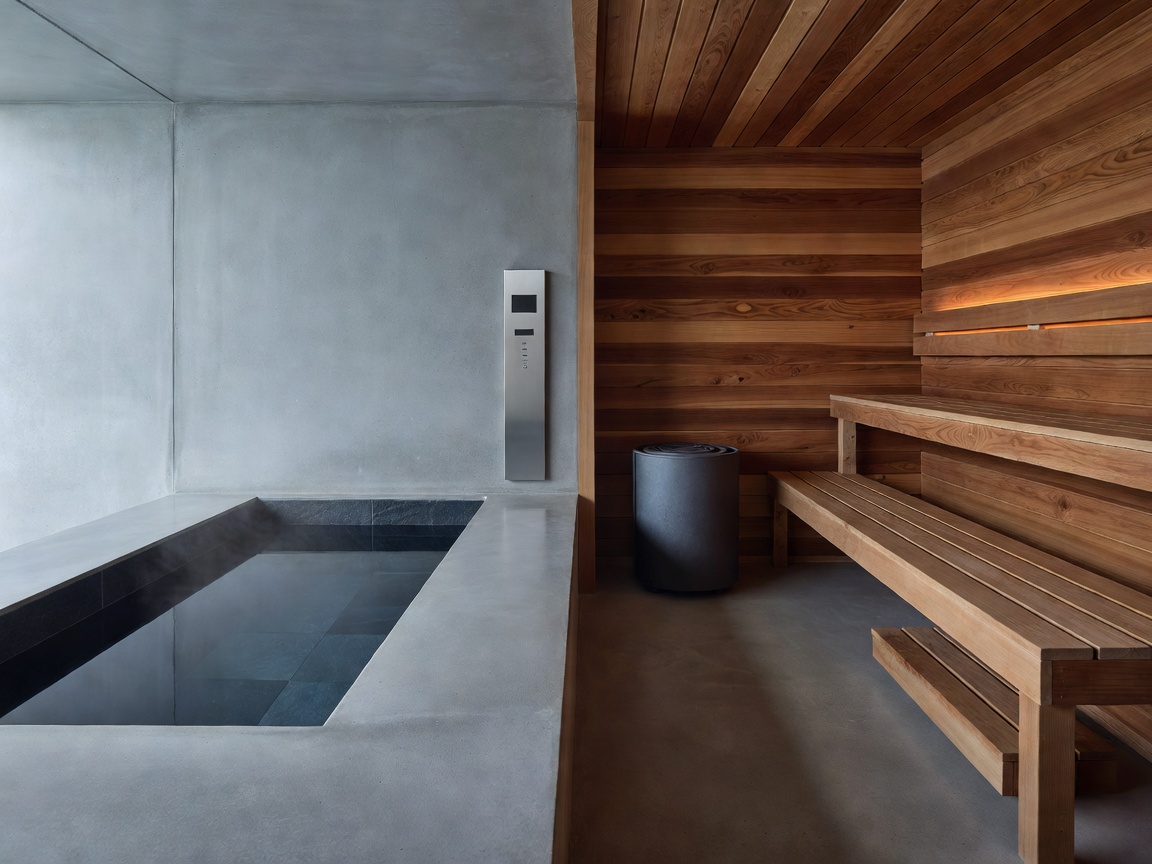
The Science of Thermal Contrast
The physiological mechanism behind thermal recovery relies on vascular dilation and constriction:
- Cold Water Immersion (Vasoconstriction): Cold temperatures cause peripheral blood vessels to narrow, shunting blood toward the body's core. This commonly reduces perceived muscle soreness, curbs excessive post-exercise edema, and dampens acute central fatigue.
- Heat & Sauna Therapy (Vasodilation): Warm air stimulates peripheral blood flow, expanding vascular vessels and delivering fresh oxygenated blood and nutrients to fatigued muscular compartments while encouraging profound mental relaxation.
- Alternating Contrast: Moving systematically between warm and cold stimuli creates a gentle vascular pumping action, supporting lymphatic drainage and speeding up the subjective sensation of refreshed legs.
When to Use Cold vs. Heat
One of the most important aspects of recovery planning is matching the modality to your specific training objective:
| Athletic Situation | Recommended Modality | Timing & Rationale |
|---|---|---|
| Hypertrophy / Pure Strength Block | Gentle Heat or Active Rest (Avoid immediate cold) | Avoid cold plunges immediately post-lift; allow the natural inflammatory cascade to drive muscular adaptation. |
| Tournament / Same-Day Double Sessions | Cold Plunge (10–12°C for 5–8 min) | Rapid dampening of perceived soreness and core temperature reduction so you are ready for round two. |
| High-Mileage Endurance Deload | Contrast Therapy (Sauna & Cold rotation) | Encourages nervous system down-regulation, fascial relaxation, and restful evening sleep. |
Session Flow and Safety Protocol
In our studio, thermal sessions are conducted in private or semi-private suites. A typical contrast protocol consists of:
- Hydration and Preparation: We ensure you have consumed adequate water and electrolytes before entering any thermal chamber.
- Warm Induction: 12 to 15 minutes in our dry cedar sauna at moderate temperatures to raise surface tissue warmth and relax the breathing rate.
- Cool Transition: A brief 2 to 3-minute immersion in our continuously filtered cold plunge basin, maintaining slow, steady diaphragmatic breathing.
- Rest and Repeat: A quiet resting period wrapped in clean cotton robes before completing a second controlled rotation.
Who This May Not Suit (Contraindications)
Thermal contrast places acute demands on your cardiovascular and regulatory systems. You should avoid cold plunge immersion or sauna use—or consult your personal physician first—if you have:
- Uncontrolled hypertension or cardiovascular disease
- Raynaud's phenomenon or severe peripheral neuropathy
- Open wounds, skin infections, or acute surgical incisions
- Current pregnancy (particularly regarding high-heat sauna exposure)
- Signs of acute systemic illness, fever, or infectious disease